
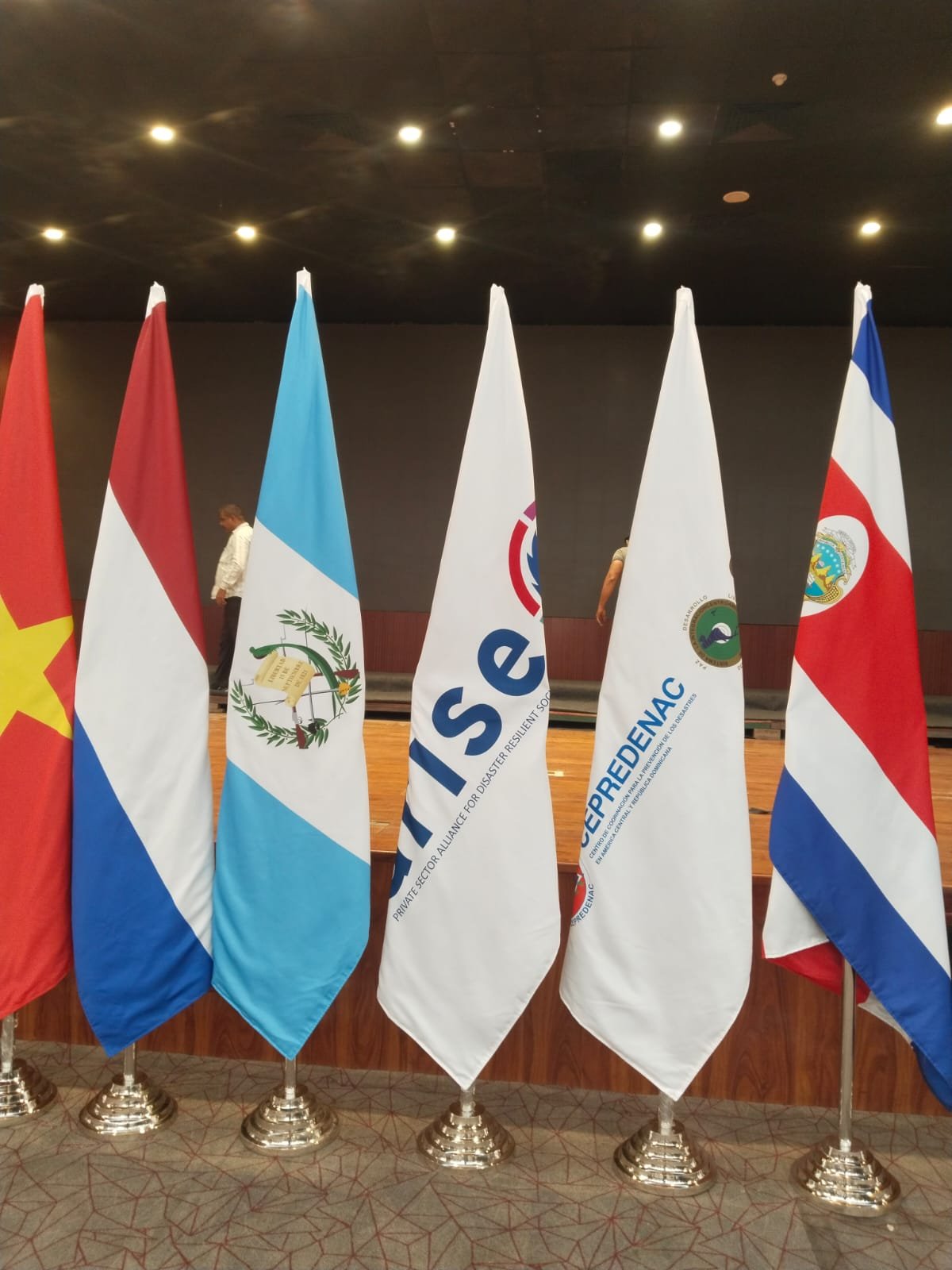
Why Flags Are Placed in Big Government Events
Introduction
Walk into any major government summit, state ceremony, or diplomatic conference and one thing is immediately apparent — flags are everywhere. Positioned with precision, displayed with purpose, and chosen with care, flags in government events are far more than decorative backdrops. They are living symbols of identity, sovereignty, and mutual respect.
Whether it’s a row of national flags flanking a podium at the United Nations or a single ceremonial flag standing beside a head of state, each placement carries meaning rooted in centuries of tradition and protocol. For event organizers, government institutions, and diplomatic planners, understanding why flags are used — and how to use them correctly — is essential to executing events with the gravitas they deserve.
Section 1: The Symbolism of Flags in Government Events
Flags have represented nations, movements, and institutions for thousands of years. In the context of government events, their symbolism operates on multiple levels.
National Pride and Identity
A national flag is the most universally recognized symbol of a country. When displayed at a government event, it affirms the sovereignty and presence of the nation it represents. Citizens feel a sense of pride and belonging; foreign guests acknowledge the host nation’s identity.
Unity and Authority Flags project authority. A head of state speaking before their nation’s flag signals legitimacy and continuity of governance. The flag becomes a visual endorsement — a reminder that the speaker represents something larger than themselves.
Cultural and Historical Significance Every flag tells a story. The colors, emblems, and designs are deeply tied to a nation’s history, struggles, and values. Displaying them in official settings honors that heritage and communicates it to an international audience without a single word being spoken.
Section 2: The Importance of Flags in Official Ceremonies
The importance of flags in official ceremonies cannot be overstated. They serve both functional and symbolic roles that shape the atmosphere and credibility of any government event.
- Establishing Formality: The presence of flags instantly signals that an event is official, elevating it from a casual gathering to a formal occasion.
- Representing Absent Stakeholders: When multiple nations are involved in a summit or treaty signing, flags represent each party — even when their leaders haven’t yet entered the room.
- Marking Jurisdiction: In courtrooms, parliamentary sessions, and government press briefings, flags indicate the jurisdiction and governing body under whose authority the proceedings take place.
- Diplomatic Acknowledgment: Displaying a foreign nation’s flag alongside the host nation’s flag is an act of diplomatic respect. It signals recognition, goodwill, and openness to dialogue.
In short, ceremonial flags at official events communicate what formal introductions alone cannot fully convey.
Section 3: Flag Protocol and Etiquette for Government Events
Perhaps no aspect of flag usage is more misunderstood — or more consequential when ignored — than protocol for flag display. Most countries follow established national and international guidelines that govern everything from flag size to positioning.
Key Flag Protocol Rules
1. Order of Precedence When multiple flags are displayed together, their order matters. The host nation’s flag typically takes the position of honor — usually the far right from the audience’s perspective, or the center if it is the only flag elevated above others. At international events, flags of foreign nations are often arranged alphabetically by country name.
2. Height and Positioning No national flag should be flown lower than another at an event of equal standing between nations. When flags are on poles of equal height, they should be of equal or proportional size. Flags must never touch the ground, be displayed upside down (except as a signal of distress), or be obscured by other objects.
3. Condition and Quality A torn, faded, or damaged flag should never be used at an official event. It reflects poorly on the hosting institution and can be taken as a sign of disrespect.
4. Illumination If flags are to be displayed after dark, they must be properly lit. An unlit flag in a darkened setting is considered a breach of protocol in many jurisdictions.
5. Half-Staff Guidelines Flying a flag at half-staff (or half-mast) communicates mourning or national tragedy. This should only be done in accordance with official government proclamations or orders — never casually.
Getting these details right is not bureaucratic box-ticking. In the world of diplomacy and governance, correct flag protocol signals professionalism, preparedness, and cultural sensitivity.
Section 4: Types of Flags Used in Government Events
Not all flags at government events are national flags. Depending on the nature of the occasion, several types of flags may be used simultaneously.
National Flags The most prominent type, representing sovereign nations. Used at state visits, diplomatic meetings, independence celebrations, and international summits.
State and Regional Flags At domestic government events — such as gubernatorial inaugurations or regional legislative sessions — state or provincial flags are displayed alongside the national flag to reflect jurisdictional authority.
Organizational and Institutional Flags Flags representing bodies like the United Nations, NATO, the European Union, or the African Union are standard fixtures at multilateral conferences and peacekeeping ceremonies. They represent collective agreements and shared missions.
Table Flags Smaller in scale but equally symbolic, table flags are placed on desks or conference tables during bilateral meetings and diplomatic negotiations. They identify each party clearly and create a sense of parity between delegations.
Ceremonial and Color Guard Flags These are special flags carried by honor guards during parades, state funerals, and military ceremonies. They are typically framed with gold fringe and mounted on ceremonial poles, adding a visual dimension of honor and tradition.
Section 5: The Role of Flags in International Relations
On the world stage, national flags in events carry extraordinary political weight. How flags are displayed — or not displayed — at international gatherings can send powerful signals to governments and citizens around the world.
At Summits and Conferences When world leaders gather for events like the G7, G20, or ASEAN summits, the arrangement of national flags is carefully negotiated. Equal treatment in flag display reflects the principle of sovereign equality — a cornerstone of international diplomacy.
In Treaty Signings Flags flank the signing table to document which nations are entering into agreement. They appear prominently in photographs and broadcasts, making the symbolic record as powerful as the legal one.
In Conflict and Reconciliation The display of an adversarial nation’s flag at a diplomatic meeting is itself a gesture of peace. Conversely, the absence or mishandling of a flag can cause diplomatic incidents. History is full of examples where flag protocol errors triggered formal protests between nations.
At State Funerals Flags play a central role in mourning ceremonies. The draping of a national flag over a leader’s casket, the precision of a flag-folding ceremony, and the presentation to grieving family members are deeply emotional acts codified by tradition.
Section 6: How to Choose the Right Flags for Government Events
Choosing the right flags involves more than selecting the correct design. Quality, material, size, and customization all matter — especially when the stakes are high.
What to Consider
Material For outdoor events, flags made from durable polyester or nylon are preferred as they withstand wind and weather without fading. For indoor ceremonial events, high-quality printed or woven fabric flags provide a more polished appearance.
Size Flag size should be proportional to the flagpole or display stand being used. Oversized flags can appear unwieldy; undersized ones may seem dismissive. Most government standards provide specific size-to-pole-height ratios.
Printing Quality Colors must be true to the official specifications of each nation’s flag. Off-shades or blurry details are not acceptable in formal settings and can be mistaken as insulting.
Customization Some events require custom organizational flags, event-specific banners, or flags with institutional logos. Working with a trusted supplier ensures accuracy and professionalism.
For premium-quality national, regional, and custom flags suited to government and corporate events, explore the full range at World Flags — a trusted destination for authentic flags from every nation, crafted to the highest standards.
Conclusion
Flags are not passive decoration. In the world of government events, they are active participants — communicating respect, authority, identity, and unity in ways that words alone cannot.
Understanding why flags are placed at major government events, and following proper event flag setup protocols, is a mark of institutional competence and cultural intelligence. Whether you are organizing a bilateral summit, a state ceremony, a corporate diplomatic reception, or a national commemoration, getting the flags right is getting a fundamental part of the event right.
Invest in quality. Follow protocol. Honor the symbols.
And when you’re ready to source the right flags for your next important event, visit World Flags to browse an extensive collection of national, ceremonial, and custom flags — delivered with the precision your event demands.
